Product
Ceramics Course | “Become a Ceramist”
Instructor: Marzieh Khalaj
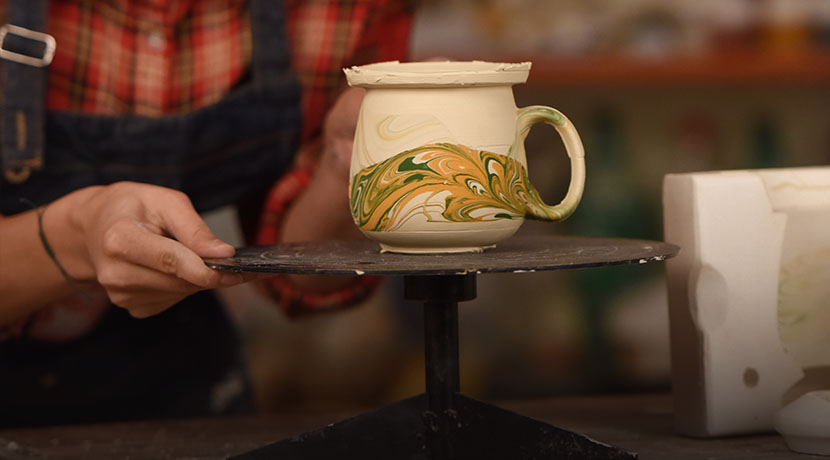
In this course, you will gain a comprehensive and thorough understanding of various aspects of ceramics. After completing the course, you won’t need any additional training to start earning from this profession, as you will be fully equipped with knowledge from the basics of creation to glazing and selling.
Ceramics Course Introduction Video
Course Outline for Ceramics
Introduction to Slip and Types of Molds:
- Overview of different ceramic slips and their applications
- Familiarization with ceramic molds: injection, single-part, multi-part, etc.
- Choosing the right mold for your design
Working with Different Molds:
- Techniques for casting with injection molds
- How to use single-part and multi-part molds
- Key tips for using molds to achieve the best results
Basic Principles of Casting:
- Preparing ceramic slip
- Considerations for slip viscosity and density
- Techniques for pouring slip into molds
- Air removal and preventing bubbles in the slip
Connections in Casting:
- Creating connections between different ceramic pieces
- Techniques for smoothing and flattening joints
- Ensuring strength and durability at connection points
Finishing and Sanding:
- Tools and techniques for ceramic finishing
- Sanding ceramics to achieve a smooth and even surface
- Considerations for surface texture and smoothness
Colored Slip and Making Items with It:
- Adding color to ceramic slip
- Techniques for creating patterns and designs with colored slip
- Making decorative items using colored slip
Marbling Technique:
- Learning the marbling technique for creating veined and cloud-like patterns
- Mixing colors and creativity in executing the marbling technique
- Using marbling in creating ceramic items
Multi-Layered Coloring Technique:
- Layering colors on ceramics
- Creating depth and shading in designs with layered colors
- Various techniques for applying colored layers
Combining Techniques:
- Merging different ceramic techniques into a single piece
- Creating unique works through creativity and innovation
- Introducing new and bold ideas in ceramics
Making Colored Flowers:
- Techniques for making ceramic flowers using colored slip
- Creating delicate and natural-looking petals
- Coloring and decorating ceramic flowers
Types of Glazes:
- Transparent and Matte Glazes
- Crystal and Non-Crystal Glazes
- Lead and Lead-Free Glazes
- Functional and Decorative Glazes
Glaze Structure:
- Main Components of Glaze: Fluxes, Formers, Modifiers, and Colors
- The role of each component in the structure and properties of glaze
- Factors affecting melting point, viscosity, surface tension, and other glaze characteristics
Frits, Oxides, and Stains:
- Introduction to various frits and their applications in glazes
- The role of different oxides in glazes: Alkali, alkaline earth, metal, and non-metal oxides
- Understanding stains and glaze colors and how they work
Glaze Formulation:
- Overview of different glaze formulation systems
- Calculating raw materials based on weight or molecular percentages
- Writing glaze formulas based on desired properties
Making and Testing Glaze:
- How to prepare and mix raw glaze materials
- Firing and testing glaze procedures
- Evaluating test results and adjusting glaze formulas
Over 150 Basic Glaze Tests:
- Access to a comprehensive collection of basic glaze formulas to get started
- Opportunities to experiment with and combine different glazes to achieve desired results
- Learning troubleshooting techniques and addressing common glaze issues
- Alkali Glazes
- Lead Glazes
- Boron Glazes
- Matte Glazes
- Crackle Glazes
- Raku Glazes
- Running (Flowing and Drippy) Glazes
- Transferring Designs onto Pottery
- Underglaze Painting (Raw and Bisque)
- Overglaze Painting (Haftern and Enamel)
- Sgraffito Technique
- Bubbles Technique
- Masking Technique
- Mishima Technique
- Transfer Technique
- Majolica Technique
- Engobe Technique
- Luster Technique
- Brush Application
- Dipping
- Spraying
- Kiln Information
- Choosing the Right Kiln for Your Space
- How to Operate the Kiln
- Firing Temperature
- Loading the Kiln
- Pricing
- Sales Information
- Direct Sales and Managing a Page
- Working with Galleries
Essential Equipment for the Ceramics Course
In the ceramics course, various tools are used for creating, shaping, decorating, and firing ceramic pieces. A comprehensive list of these essential ceramics tools is provided for you.
Student Work Samples from the Ceramics Course
Student Feedback on the Ceramics Course
Marzieh Khalaj
Ceramic and Pottery Specialist
Course Instructor: Marzieh Khalaj
Course Style: Project-Based
Prerequisites: None
Delivery Method: Telegram Channel
Skill Level: Entry into the Job Market
User Comments
Student Testimonials